

What is the energy efficiency of dry - type transformers from a good factory?
Leave a message

Hey there! I'm a supplier from a dry-type transformer factory, and today I wanna chat about the energy efficiency of dry-type transformers from a good factory.
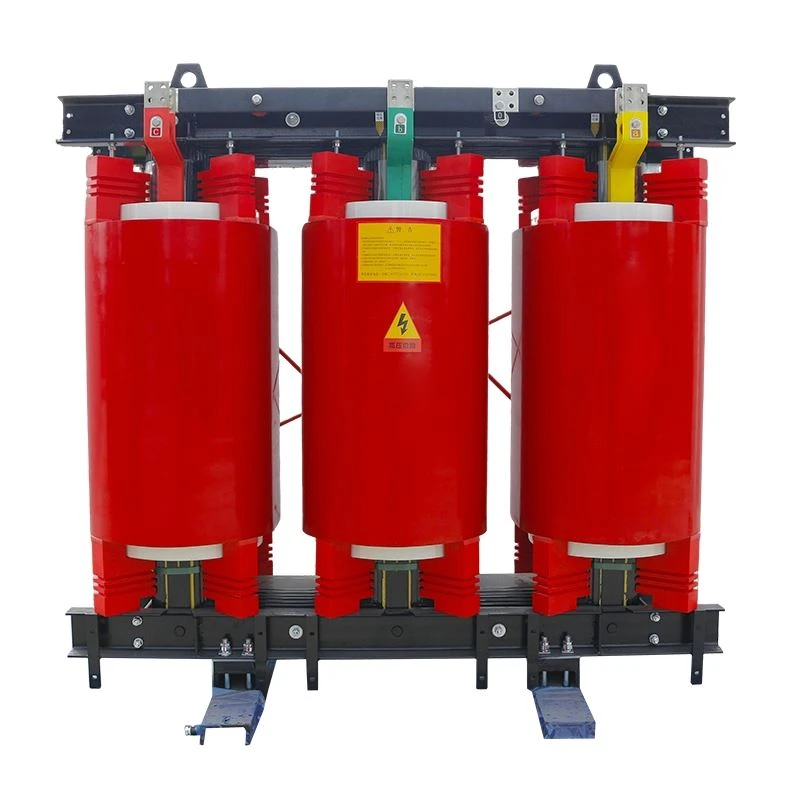
First off, let's understand what dry-type transformers are. They're a type of transformer that doesn't use liquid for cooling and insulation. Instead, they rely on air or other dry substances. This makes them a great choice for a bunch of applications, especially in places where fire safety is a big concern.
Now, when it comes to energy efficiency, it's a pretty important factor. Why? Well, energy-efficient transformers can save a whole lot of money in the long run. They reduce the amount of energy lost during the transformation process, which means less electricity is wasted. And let's face it, who doesn't want to cut down on their energy bills?
So, what affects the energy efficiency of dry-type transformers from a good factory? There are a few key things.
1. Core Material
The core of a transformer is like its heart. A good factory will use high-quality core materials, like grain-oriented silicon steel. This stuff has low core losses, which means it can transform electrical energy more efficiently. When the core losses are low, less energy is wasted as heat, and more of it gets transferred to the output side.
2. Winding Design
The way the windings are designed also plays a huge role. A well-designed winding can reduce copper losses. Copper losses occur when electricity flows through the copper windings, and some of the energy is lost as heat. By using the right gauge of copper wire and arranging the windings properly, a good factory can minimize these losses.
3. Manufacturing Process
The manufacturing process is crucial. A good factory will have strict quality control measures in place. They'll make sure that every transformer is built to the highest standards. This includes proper insulation, tight winding, and accurate assembly. Any flaws in the manufacturing process can lead to increased energy losses.

4. Cooling System
Dry-type transformers need an effective cooling system to maintain their energy efficiency. A good factory will design a cooling system that can remove heat efficiently. This might involve using fans or other cooling methods to keep the temperature of the transformer within a safe range. When the temperature is under control, the transformer can operate more efficiently.
Let's talk about some specific types of dry-type transformers and their energy efficiency.
Outdoor Dry Type Transformer
Outdoor dry-type transformers are designed to withstand the elements. They're used in a variety of outdoor applications, like in power distribution networks. These transformers need to be energy-efficient because they often operate continuously. A good factory will design outdoor dry-type transformers with features that enhance their energy efficiency, such as better insulation and a more efficient cooling system. You can learn more about Outdoor Dry Type Transformer.
Auxiliary Transformer in Substation
Auxiliary transformers in substations are used to provide power for auxiliary equipment. Energy efficiency is crucial here because these transformers are always running. A good factory will ensure that these transformers are designed to minimize energy losses. They might use advanced core materials and optimized winding designs to achieve this. Check out Auxiliary Transformer in Substation for more details.
Epoxy Resin Dry Type Transformer
Epoxy resin dry-type transformers are known for their excellent insulation properties. The epoxy resin helps to reduce energy losses by providing a better insulating layer. A good factory will use high-quality epoxy resin and a proper manufacturing process to ensure that these transformers are energy-efficient. You can find more information about Epoxy Resin Dry Type Transformer.
Now, you might be wondering how to measure the energy efficiency of dry-type transformers. There are a few ways. One common method is to look at the transformer's no-load losses and load losses. No-load losses occur when the transformer is energized but not supplying any load. Load losses occur when the transformer is supplying power to a load. A more energy-efficient transformer will have lower no-load and load losses.
Another way to measure energy efficiency is to look at the transformer's efficiency rating. This rating is usually expressed as a percentage. A higher percentage means a more energy-efficient transformer.
So, if you're in the market for dry-type transformers, it's important to choose a good factory. A good factory will produce transformers with high energy efficiency, which will save you money in the long run. They'll also provide good customer service and support.
If you're interested in learning more about our dry-type transformers or want to discuss a potential purchase, don't hesitate to reach out. We're here to answer any questions you might have and help you find the right transformer for your needs.
References
- Electric Power Systems: A Conceptual Introduction by John J. Grainger and William D. Stevenson
- Transformers: Theory, Design, and Application by George McPherson and Robert D. Laramore


