

How to certificate the quality of indoor dry type transformers?
Leave a message

How to Certify the Quality of Indoor Dry Type Transformers?
As a supplier of Indoor Dry Type Transformers, I understand the critical importance of ensuring the quality of these products. Indoor dry type transformers are widely used in various applications, such as commercial buildings, industrial facilities, and data centers, where reliability and safety are of utmost concern. In this blog post, I will share some key aspects of certifying the quality of indoor dry type transformers, based on my experience in the industry.
1. Design and Manufacturing Standards
The first step in certifying the quality of indoor dry type transformers is to ensure that they are designed and manufactured in accordance with relevant standards. These standards, such as IEEE, IEC, and national standards, provide guidelines for the design, construction, and performance of transformers.
- Electrical Design: The electrical design of the transformer should be optimized to meet the specific requirements of the application. This includes the selection of appropriate core materials, winding configurations, and insulation systems. For example, the core material should have low core losses to improve the efficiency of the transformer. The winding configuration should be designed to minimize leakage reactance and ensure uniform distribution of current.
- Mechanical Design: The mechanical design of the transformer should ensure its structural integrity and durability. This includes the use of high - quality materials for the enclosure, support structures, and cooling systems. The enclosure should be designed to protect the transformer from environmental factors such as dust, moisture, and mechanical damage.
2. Material Quality
The quality of the materials used in the manufacturing of indoor dry type transformers has a significant impact on their performance and reliability.
- Core Materials: The core of the transformer is typically made of high - grade silicon steel laminations. These laminations should have low hysteresis and eddy current losses to reduce energy consumption. The quality of the silicon steel can be verified through material testing, such as magnetic property testing.
- Winding Materials: The windings of the transformer are usually made of copper or aluminum conductors. Copper conductors offer better electrical conductivity and lower resistance compared to aluminum conductors. The insulation material used for the windings should have high dielectric strength and thermal stability. For example, epoxy resin is commonly used as an insulation material in Epoxy Resin Dry Type Transformer due to its excellent insulation properties.
- Enclosure Materials: The enclosure of the transformer should be made of materials that are corrosion - resistant and have good mechanical strength. Common materials for the enclosure include steel and aluminum.
3. Testing and Inspection
Testing and inspection are crucial steps in certifying the quality of indoor dry type transformers.

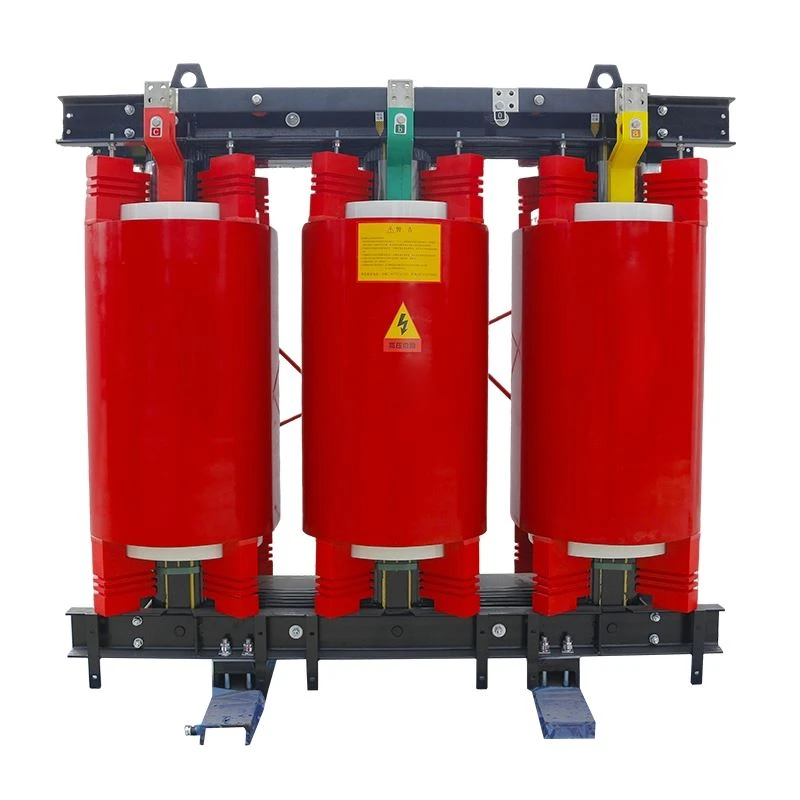
- Factory Testing: Before leaving the factory, transformers should undergo a series of tests to ensure their performance and safety. These tests include insulation resistance testing, turns ratio testing, short - circuit impedance testing, and temperature rise testing. Insulation resistance testing is used to check the integrity of the insulation system. Turns ratio testing ensures that the transformer has the correct voltage transformation ratio. Short - circuit impedance testing is important for determining the transformer's ability to withstand short - circuit currents. Temperature rise testing measures the temperature increase of the transformer under normal operating conditions.
- On - site Inspection: Once the transformer is installed on - site, it should be inspected to ensure that it is installed correctly and is operating properly. This includes checking the electrical connections, the cooling system, and the overall condition of the transformer. On - site inspection can also detect any potential problems that may have occurred during transportation or installation.
4. Performance Monitoring
Continuous performance monitoring is an important part of certifying the quality of indoor dry type transformers.
- Temperature Monitoring: Monitoring the temperature of the transformer is essential for detecting any abnormal heating. High temperatures can indicate problems such as overloading, poor insulation, or a malfunctioning cooling system. Temperature sensors can be installed on the windings and the core of the transformer to provide real - time temperature data.
- Vibration Monitoring: Vibration monitoring can help detect mechanical problems in the transformer, such as loose parts or misalignment. Excessive vibration can lead to premature failure of the transformer. Vibration sensors can be used to measure the vibration levels of the transformer and provide early warning of potential problems.
- Oil Analysis (if applicable): Although indoor dry type transformers do not use oil for insulation, some transformers may have oil - filled components such as tap changers. Oil analysis can be used to detect the presence of contaminants, moisture, and degradation products in the oil, which can indicate potential problems in the transformer.
5. Certification and Compliance
Obtaining relevant certifications is an important way to demonstrate the quality of indoor dry type transformers.
- Safety Certifications: Safety certifications, such as UL, CE, and CSA, ensure that the transformer meets the safety requirements of different regions. These certifications are based on strict testing and evaluation procedures and provide assurance to customers that the transformer is safe to use.
- Energy Efficiency Certifications: Energy efficiency certifications, such as ENERGY STAR, indicate that the transformer meets certain energy efficiency standards. Energy - efficient transformers can help reduce energy consumption and operating costs.
6. Comparison with Outdoor Dry Type Transformers
It is also important to note the differences between Indoor Dry Type Transformer and Outdoor Dry Type Transformer. While both types of transformers share some similarities in terms of design and performance, outdoor dry type transformers need to be more resistant to environmental factors such as rain, snow, and extreme temperatures. Indoor dry type transformers, on the other hand, are designed to operate in a more controlled environment and may have different requirements for insulation and cooling.
In conclusion, certifying the quality of indoor dry type transformers involves a comprehensive approach that includes design and manufacturing standards, material quality, testing and inspection, performance monitoring, and certification and compliance. By following these steps, we can ensure that our indoor dry type transformers meet the highest quality standards and provide reliable and safe performance for our customers.
If you are interested in purchasing high - quality indoor dry type transformers, we invite you to contact us for further discussion and procurement negotiation. We are committed to providing you with the best products and services to meet your specific needs.
References
- IEEE Standards for Transformers
- IEC Standards for Power Transformers
- National Electrical Code (NEC)
- Manufacturer's Technical Documentation for Dry Type Transformers


