

What safety precautions should be taken when operating an outdoor dry type transformer?
Jul 21, 2026
Leave a message

James Wilson
James is a marketing executive of Zhejiang Rsafele Electric Co., Ltd. He is good at promoting the company's products and services, expanding market share, and establishing long - term and stable cooperative relationships with customers with his unique marketing strategies.
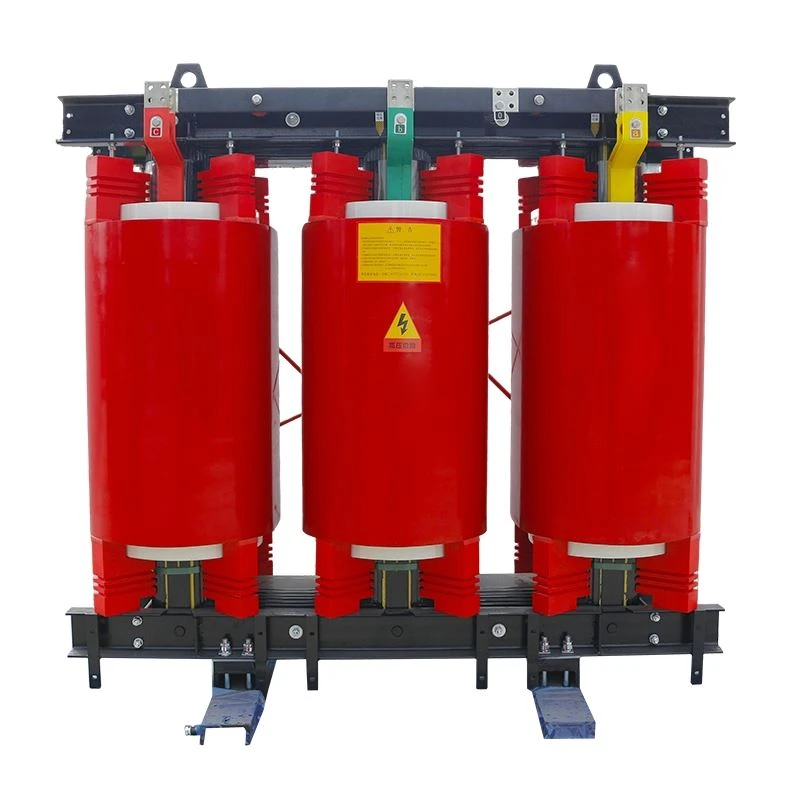
When operating an outdoor dry type transformer, a series of safety precautions must be taken to ensure the reliable operation of the equipment and the safety of personnel. As a supplier of Outdoor Dry Type Transformers, I am well - versed in these safety aspects and would like to share them in detail.
1. Installation Safety
- Location Selection
The installation location of the outdoor dry type transformer is crucial. It should be installed on a firm and level foundation to prevent uneven settlement which may lead to mechanical stress on the transformer. The foundation should be able to withstand the weight of the transformer and any additional loads during operation.
The transformer should be placed in an area away from flammable and explosive materials. A safe distance should be maintained from buildings, trees, and other structures. For example, it should be at least 5 meters away from combustible buildings to reduce the risk of fire spreading. - Ventilation
Proper ventilation is essential for the outdoor dry type transformer. It should be installed in an area with good air circulation to dissipate heat effectively. The ventilation openings of the transformer should not be blocked. If the transformer is installed in a cabinet or enclosure, ensure that there are sufficient ventilation holes. For instance, the ventilation holes should cover at least 10% of the surface area of the enclosure to allow for proper air exchange. - Electrical Clearance
Maintain appropriate electrical clearance around the transformer. This includes clearance from other electrical equipment, conductors, and grounding systems. The minimum electrical clearance for a 10kV outdoor dry type transformer is typically 1.2 meters for phase - to - phase and phase - to - ground clearances. This helps to prevent electrical arcing and short - circuits.
2. Pre - operation Safety Checks
- Visual Inspection
Before starting the transformer, conduct a thorough visual inspection. Check for any signs of physical damage such as cracks in the insulation, loose connections, or damaged components. Inspect the epoxy resin coating of the Epoxy Resin Dry Type Transformer for any signs of peeling or blistering. - Insulation Resistance Test
Measure the insulation resistance of the transformer windings using an insulation resistance tester. The insulation resistance value should meet the specified requirements. For a new transformer, the insulation resistance should be at least 200MΩ at room temperature. A low insulation resistance may indicate insulation degradation or moisture ingress. - Grounding Check
Ensure that the transformer is properly grounded. The grounding system should have a low resistance, typically less than 4Ω. A good grounding system helps to protect the transformer and personnel from electrical faults by providing a path for fault currents to flow safely to the ground.
3. Operation Safety
- Load Monitoring
Monitor the load of the outdoor dry type transformer continuously. Do not overload the transformer beyond its rated capacity. Overloading can cause overheating, which may damage the insulation and reduce the lifespan of the transformer. Use a load monitoring device to keep track of the current and power consumption. If the load approaches the rated capacity, take measures such as redistributing the load or upgrading the transformer. - Temperature Monitoring
Regularly monitor the temperature of the transformer. Install temperature sensors on the windings and core. The normal operating temperature of the transformer windings should not exceed 120°C for F - class insulation. If the temperature rises abnormally, it may indicate a problem such as a short - circuit or poor ventilation. In such cases, immediately shut down the transformer and investigate the cause. - Environmental Conditions
Be aware of the environmental conditions around the transformer. Extreme weather conditions such as high winds, heavy rain, and lightning can pose risks to the transformer. During a thunderstorm, the transformer should be protected by a lightning arrester. High winds may cause mechanical damage to the transformer, so ensure that the transformer is securely installed.
4. Maintenance Safety
- Lock - out/Tag - out Procedures
Before performing any maintenance work on the transformer, follow the lock - out/tag - out procedures. Isolate the transformer from the power source and lock the circuit breaker or disconnect switch. Attach a tag indicating that maintenance is in progress to prevent accidental energization. This ensures the safety of maintenance personnel. - Personal Protective Equipment (PPE)
Maintenance personnel should wear appropriate PPE such as insulated gloves, safety glasses, and hard hats. Insulated gloves are essential when working on electrical components to prevent electric shock. Safety glasses protect the eyes from flying debris, and hard hats protect the head from falling objects. - Regular Maintenance
Perform regular maintenance on the outdoor dry type transformer. This includes cleaning the transformer, tightening connections, and checking the insulation. Clean the ventilation openings to ensure proper air circulation. Tighten any loose connections to prevent overheating due to poor contact. Check the insulation for signs of degradation and replace any damaged components as needed.
5. Emergency Response
- Emergency Shutdown
In case of an emergency such as a fire, short - circuit, or overheating, know how to perform an emergency shutdown of the transformer. Locate the emergency stop button or switch and use it to quickly cut off the power supply. This helps to prevent further damage to the transformer and reduce the risk of injury to personnel. - Fire Protection
Install fire - fighting equipment near the transformer. This may include fire extinguishers suitable for electrical fires, such as carbon dioxide or dry powder fire extinguishers. Train personnel on how to use the fire - fighting equipment effectively. In case of a fire, immediately evacuate the area and call the fire department.
6. Training and Documentation
- Operator Training
Provide comprehensive training to operators on the safe operation and maintenance of the outdoor dry type transformer. The training should cover topics such as installation, pre - operation checks, load monitoring, and emergency response. Operators should be familiar with the transformer's operating manual and safety procedures. - Documentation
Keep detailed documentation of the transformer's installation, operation, and maintenance. This includes installation records, test reports, maintenance logs, and any modifications made to the transformer. The documentation helps to track the transformer's performance and ensure compliance with safety standards.
As a supplier of Outdoor Dry Type Transformers, we are committed to providing high - quality products and ensuring the safety of our customers. If you are interested in purchasing our outdoor dry type transformers or have any questions about safety precautions, please feel free to contact us for further discussion and procurement negotiation.

References
- Electrical Safety Standards for Power Transformers, International Electrotechnical Commission (IEC).
- Handbook of Transformer Engineering, McGraw - Hill.
- Safety Guidelines for Outdoor Electrical Equipment, National Fire Protection Association (NFPA).


