

What is the impact of dust on an outdoor dry type transformer?
Leave a message

Dust is an ever - present environmental factor that can have a significant impact on outdoor dry type transformers. As a supplier of Outdoor Dry Type Transformers, I have witnessed firsthand the various ways in which dust can affect the performance and longevity of these crucial electrical devices.
1. Physical Accumulation and Insulation Issues
One of the most immediate impacts of dust on outdoor dry type transformers is its physical accumulation on the transformer's surface. Dust particles can settle on the windings, core, and other components of the transformer. Over time, this layer of dust can act as an insulator, reducing the heat dissipation efficiency of the transformer.
Dry type transformers rely on natural air circulation to cool down. When dust accumulates, it restricts the flow of air around the transformer, causing the temperature to rise. High temperatures can degrade the insulation materials used in the transformer. The insulation is vital for preventing short - circuits and ensuring the safe operation of the transformer. If the insulation is damaged due to overheating caused by dust accumulation, it can lead to electrical failures, which may result in power outages and costly repairs.
For example, in industrial areas where there is a high concentration of dust from manufacturing processes, outdoor dry type transformers are at a greater risk. The fine dust particles can penetrate the small gaps in the transformer's enclosure and settle on the internal components. This not only affects the cooling but also increases the risk of electrical arcing between the windings.
2. Corrosion and Chemical Reactions
Dust is not just made up of inert particles. It can contain various chemical substances such as salts, acids, and alkalis. When these substances come into contact with the metal parts of the outdoor dry type transformer, they can initiate corrosion.
The metal components of the transformer, such as the core and the enclosure, are susceptible to corrosion. Corrosion weakens the structural integrity of the transformer, making it more prone to mechanical failures. For instance, if the enclosure of the transformer is corroded, it may not provide adequate protection for the internal components, leaving them exposed to further environmental damage.
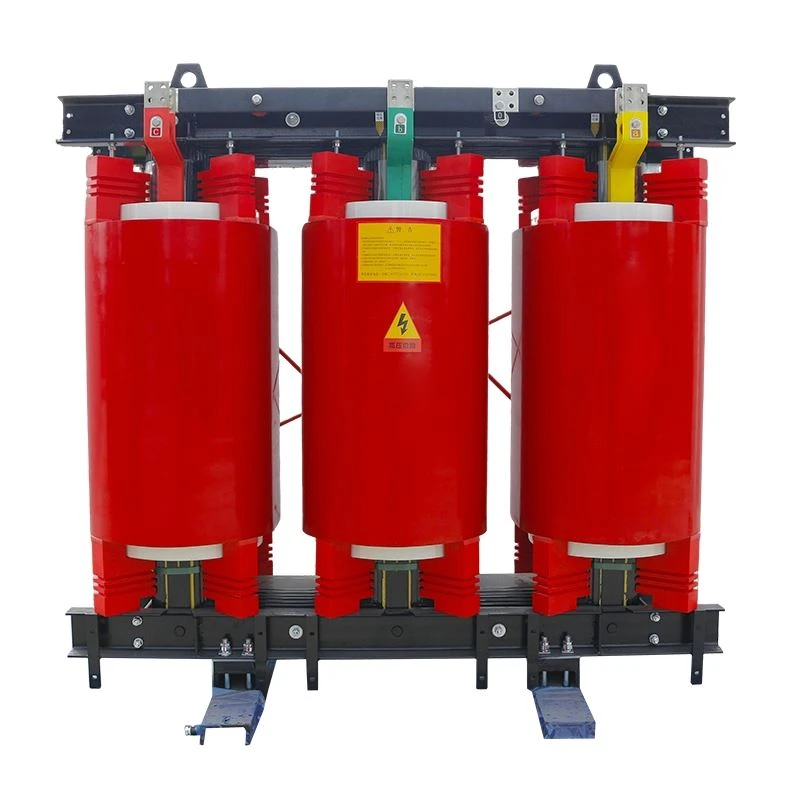

Moreover, some dust particles can react with the insulation materials of the transformer. For example, acidic dust can break down the epoxy resin used in Epoxy Resin Dry Type Transformer. This can lead to a reduction in the dielectric strength of the insulation, increasing the risk of electrical breakdown.
3. Impact on Electrical Performance
Dust can also have a direct impact on the electrical performance of outdoor dry type transformers. The accumulation of dust on the surface of the windings can change the electrical properties of the transformer. It can increase the surface resistance, which may lead to uneven distribution of electrical current.
This uneven current distribution can cause hot spots within the transformer. Hot spots are areas where the temperature is significantly higher than the average temperature of the transformer. These hot spots can further accelerate the degradation of the insulation and increase the risk of electrical failures.
In addition, dust can also cause partial discharges. Partial discharges are small electrical discharges that occur within the insulation of the transformer. They can erode the insulation over time, leading to a decrease in the overall performance and reliability of the transformer.
4. Maintenance Challenges
The presence of dust in outdoor dry type transformers poses significant maintenance challenges. Regular cleaning is required to remove the accumulated dust. However, cleaning outdoor transformers is not a simple task. It requires specialized equipment and trained personnel to ensure that the cleaning process does not damage the transformer.
Moreover, in some cases, the dust may be deeply embedded in the insulation or other components of the transformer. In such situations, more invasive cleaning methods may be required, which can be time - consuming and costly.
5. Comparison with Indoor Dry Type Transformers
When comparing outdoor dry type transformers with Indoor Dry Type Transformer, the impact of dust is much more pronounced in outdoor settings. Indoor transformers are protected from the direct exposure to outdoor dust. They are usually installed in clean environments, such as electrical rooms, where the air is filtered and the dust levels are relatively low.
Outdoor dry type transformers, on the other hand, are constantly exposed to the elements, including dust. This makes them more vulnerable to the negative effects of dust accumulation. However, outdoor transformers are designed to withstand harsher environmental conditions, and manufacturers take into account the potential impact of dust when designing these transformers.
6. Mitigation Strategies
As a supplier of Outdoor Dry Type Transformer, we recommend several mitigation strategies to reduce the impact of dust on outdoor dry type transformers.
- Enclosure Design: We design our transformers with enclosures that are resistant to dust ingress. The enclosures are sealed to prevent dust from entering the internal components of the transformer. Additionally, we use filters in the ventilation openings to trap dust particles before they can enter the transformer.
- Regular Maintenance: We advise our customers to schedule regular maintenance for their outdoor dry type transformers. This includes cleaning the transformer's surface, checking the insulation, and inspecting for any signs of corrosion or damage.
- Monitoring Systems: We offer monitoring systems that can detect changes in the temperature, electrical performance, and other parameters of the transformer. These systems can alert the operators when there is a potential problem, allowing for timely maintenance and repairs.
7. Conclusion and Call to Action
In conclusion, dust can have a significant impact on the performance, reliability, and longevity of outdoor dry type transformers. It can cause insulation problems, corrosion, and electrical performance issues. However, with proper design, maintenance, and monitoring, the negative effects of dust can be minimized.
If you are in the market for an outdoor dry type transformer, or if you are looking for solutions to mitigate the impact of dust on your existing transformers, we are here to help. Our team of experts can provide you with the best advice and products to meet your needs. Contact us today to start a discussion about your transformer requirements.
References
- Electrical Power Transformer Engineering, by Turan Gonen
- Handbook of Transformer Design and Application, by Clifford A. Gross


