

How to store indoor dry type transformers properly?
Leave a message

Proper storage of indoor dry type transformers is crucial to ensure their long - term performance and reliability. As a supplier of Indoor Dry Type Transformers, I have gained significant insights into the best practices for storing these valuable assets. In this blog, I will share some key points on how to store indoor dry type transformers properly.
1. Storage Environment
The first and most important aspect of storing indoor dry type transformers is the environment. These transformers should be stored in a clean, dry, and well - ventilated area. Humidity is one of the biggest enemies of dry type transformers. High humidity can lead to moisture ingress, which may cause insulation degradation and other electrical problems.
It is recommended to maintain the relative humidity in the storage area below 60%. This can be achieved by using dehumidifiers or air - conditioning systems. In addition, the storage area should be free from dust, dirt, and corrosive substances. Dust can accumulate on the transformer windings and insulation, reducing their performance over time. Corrosive substances can cause damage to the metal parts of the transformer.
The temperature in the storage area also needs to be carefully controlled. Extreme temperatures can affect the physical and electrical properties of the transformer. Generally, the storage temperature should be between - 20°C and 40°C. If the temperature is too low, the insulation materials may become brittle, while high temperatures can accelerate the aging process of the insulation.
2. Protection from Mechanical Damage
Indoor dry type transformers are relatively fragile and can be easily damaged by mechanical impacts. During storage, they should be placed on a stable and flat surface. If possible, use shock - absorbing materials such as rubber pads or foam to protect the transformer from vibrations and impacts.
When handling the transformers for storage, proper lifting and moving equipment should be used. Do not drag or roll the transformers, as this can cause internal damage. Ensure that the lifting points on the transformer are correctly identified and used to avoid any imbalance or damage during lifting.
3. Storage Position
The position of the transformer during storage is also important. It should be stored in an upright position. Storing the transformer in a horizontal or inclined position may cause the internal components to shift, which can lead to problems such as short - circuits or uneven stress on the windings.
If the transformer has a cooling system, make sure that the cooling channels are not blocked. Blocked cooling channels can lead to overheating, even during storage.
4. Protection from Electrical Surges
Even during storage, indoor dry type transformers can be affected by electrical surges. Lightning strikes or power grid fluctuations can cause high - voltage surges that may damage the transformer. To protect the transformer, it is advisable to connect it to a proper grounding system.
In addition, surge protection devices can be installed to divert the excess electrical energy away from the transformer. These devices can help prevent damage to the insulation and other electrical components of the transformer.
5. Regular Inspection
Regular inspection is essential during the storage period. Inspect the transformer for any signs of damage, such as cracks in the insulation, loose connections, or signs of moisture ingress. Check the oil level (if the transformer has an oil - filled component) and the condition of the cooling system.
If any problems are detected, they should be addressed immediately. For example, if there is a small crack in the insulation, it can be repaired using appropriate insulation materials. If there is moisture ingress, the transformer may need to be dried using a suitable drying method.
6. Documentation and Record - Keeping
Maintaining proper documentation and records during the storage period is important. Keep a record of the storage conditions, including temperature, humidity, and any inspections or maintenance activities. This information can be useful in case of any future problems or for warranty claims.
7. Comparison with Outdoor and Other Types of Transformers
When it comes to storage, there are some differences between indoor dry type transformers and Outdoor Dry Type Transformer. Outdoor transformers need to be more resistant to environmental factors such as rain, snow, and extreme temperatures. They are usually designed with more robust enclosures to protect them from the elements.

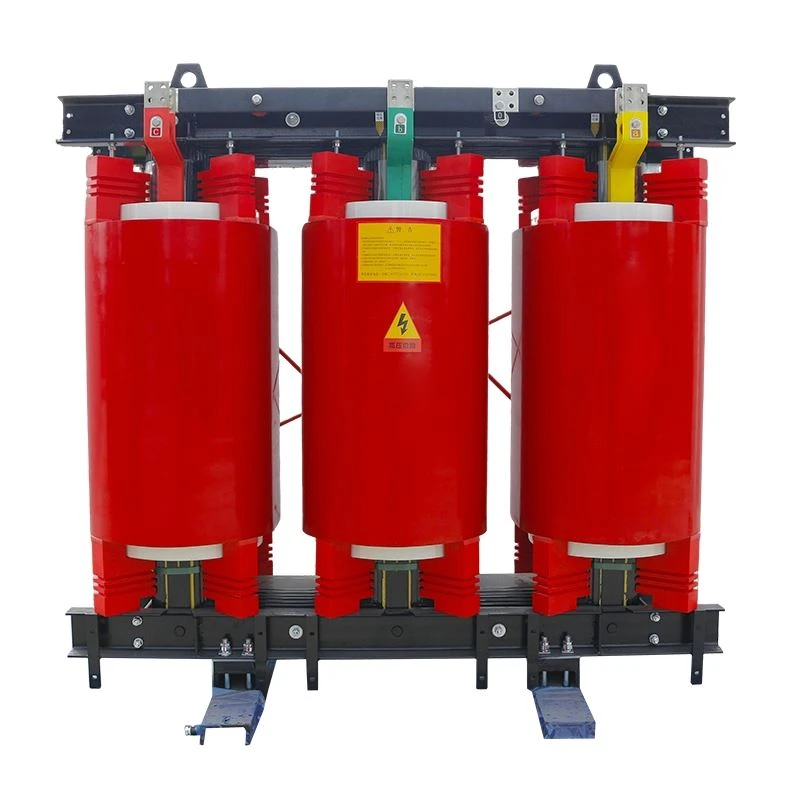
On the other hand, Epoxy Resin Dry Type Transformer has a different insulation structure. Epoxy resin provides good insulation properties and is more resistant to moisture compared to some other insulation materials. However, proper storage is still necessary to maintain its performance.
Auxiliary Transformer in Substation also has its own storage requirements. These transformers are often used in critical applications, and their proper storage is crucial for the reliable operation of the substation.
Conclusion
Proper storage of indoor dry type transformers is a multi - faceted process that requires attention to various factors such as the storage environment, protection from mechanical damage, electrical surges, and regular inspection. By following these best practices, you can ensure that your indoor dry type transformers remain in good condition and are ready for use when needed.
If you are in the market for high - quality indoor dry type transformers or need more information on their storage and maintenance, please feel free to contact us for a detailed discussion. Our team of experts is always ready to assist you in making the right decisions for your power needs.
References
- "Handbook of Transformer Engineering: Design, Technology, and Diagnostics" by Sarathi R, et al.
- "Electrical Power Transformer Engineering" by Turan Gonen.


