

Can I buy dry type transformer for renewable energy projects?
Leave a message

In the current era of rapid development of renewable energy projects, transformers play a crucial role in ensuring the efficient and stable operation of power systems. As a supplier of dry type transformers, I often receive inquiries from customers about whether they can buy dry type transformers for renewable energy projects. In this blog, I will delve into this topic, exploring the suitability of dry type transformers for renewable energy applications, their advantages, and the types available.
Renewable Energy Projects and the Need for Transformers
Renewable energy sources such as solar, wind, hydro, and geothermal have gained significant traction in recent years due to their environmental benefits and the need to reduce reliance on fossil fuels. However, these energy sources typically generate electricity at a relatively low voltage, which needs to be stepped up for efficient transmission over long distances and integration into the power grid. This is where transformers come into play.
Transformers are essential components in power systems, responsible for changing the voltage level of electrical energy. They can either step up the voltage from the generation level to the transmission level or step it down from the transmission level to the distribution level for end - user consumption. In renewable energy projects, transformers help in optimizing the power transfer and ensuring the compatibility of the generated power with the existing grid infrastructure.
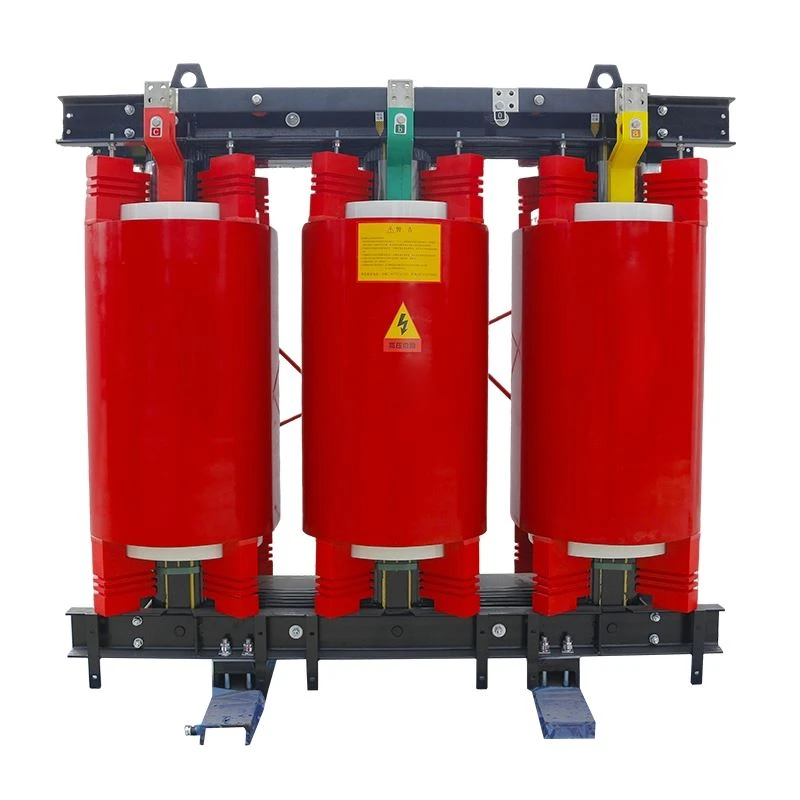

Why Dry Type Transformers?
Dry type transformers offer several advantages that make them a suitable choice for renewable energy projects:
Safety
One of the primary concerns in any power system is safety. Dry type transformers do not use flammable liquids as coolant, unlike oil - filled transformers. This significantly reduces the risk of fire and explosion, especially in areas where safety regulations are strict or where there is a high - population density near the renewable energy installation. For example, in a solar power plant located near a residential area, a dry type transformer provides an added layer of safety.
Environmental Friendliness
Renewable energy projects are all about reducing the environmental impact. Dry type transformers are more environmentally friendly as they do not contain any oil or other hazardous substances that could potentially leak into the environment. In case of a malfunction or damage, there is no risk of soil or water contamination, which is a significant advantage compared to oil - filled transformers.
Low Maintenance
Dry type transformers require less maintenance compared to oil - filled transformers. They do not need regular oil sampling, filtering, or replacement. This reduces the overall operating costs of the renewable energy project and also minimizes the downtime associated with maintenance activities. For a wind farm located in a remote area, the low - maintenance nature of dry type transformers is a significant benefit as it reduces the need for frequent on - site visits for maintenance.
Compact Design
Dry type transformers have a more compact design, which makes them suitable for installations where space is limited. In many renewable energy projects, such as rooftop solar installations or small - scale wind turbines, space is a precious commodity. The compact size of dry type transformers allows for easy installation and integration into the existing infrastructure.
Types of Dry Type Transformers for Renewable Energy Projects
Indoor Dry Type Transformer
Indoor dry type transformers are designed for installation inside buildings or enclosed structures. They are commonly used in solar power plants with on - site substations that are located indoors. These transformers are well - suited for environments where protection from the weather is required. They are often used in areas where the surrounding air is relatively clean and free from contaminants that could affect their performance.
Outdoor Dry Type Transformer
Outdoor dry type transformers are built to withstand harsh environmental conditions. They are designed with special enclosures and insulation materials to protect them from rain, snow, dust, and UV radiation. These transformers are ideal for wind farms, large - scale solar power plants, and hydroelectric power stations located in open areas. Their robust design ensures reliable operation even in extreme weather conditions.
Epoxy Resin Dry Type Transformer
Epoxy resin dry type transformers offer excellent electrical insulation and mechanical strength. The windings of these transformers are encapsulated in epoxy resin, which provides protection against moisture, dust, and chemical contaminants. They are suitable for a wide range of renewable energy applications, including both indoor and outdoor installations. Their high - performance characteristics make them a popular choice for projects where reliability is of utmost importance.
Auxiliary Transformer in Substation
In substations associated with renewable energy projects, auxiliary transformers play a vital role in providing power for the control and protection systems. These transformers are designed to meet the specific requirements of substation operations, such as low - voltage power supply for relays, meters, and other control equipment. They ensure the smooth and efficient operation of the substation and the overall renewable energy project.
Considerations for Buying Dry Type Transformers for Renewable Energy Projects
When considering buying dry type transformers for renewable energy projects, several factors need to be taken into account:
Power Rating
The power rating of the transformer should be carefully selected based on the capacity of the renewable energy generation source and the load requirements of the project. An undersized transformer may lead to overheating and reduced efficiency, while an oversized transformer may result in higher costs and lower efficiency at partial loads.
Voltage Ratio
The voltage ratio of the transformer should match the voltage levels of the renewable energy source and the grid. This ensures efficient power transfer and compatibility with the existing electrical infrastructure.
Environmental Conditions
The environmental conditions at the project site, such as temperature, humidity, altitude, and pollution level, should be considered when selecting the transformer. For example, in a high - altitude area, the transformer may need to be designed with special insulation to compensate for the lower air density.
Quality and Reliability
The quality and reliability of the transformer are crucial for the long - term success of the renewable energy project. It is important to choose a reputable supplier who can provide high - quality transformers with a proven track record of reliability.
Conclusion
In conclusion, dry type transformers are an excellent choice for renewable energy projects. Their safety features, environmental friendliness, low maintenance requirements, and compact design make them well - suited for a wide range of applications in the renewable energy sector. Whether it is an indoor or outdoor installation, a solar, wind, or hydro project, there is a suitable dry type transformer available.
If you are planning a renewable energy project and are looking for a reliable dry type transformer supplier, we are here to help. We offer a wide range of dry type transformers, including Indoor Dry Type Transformer, Outdoor Dry Type Transformer, Epoxy Resin Dry Type Transformer, and Auxiliary Transformer in Substation. Our team of experts can assist you in selecting the right transformer for your specific needs. Contact us today to start the procurement and negotiation process.
References
- Electric Power Systems: Analysis and Control by Claudio A. Cañizares
- Renewable Energy Systems: Design and Analysis with Induction Generators by M. E. El - Hawary


